

CELPIP Speaking Task 5 is really two challenges at once: first you choose, then you persuade.
The easiest way to lose control is to spend too long deciding or to defend your option without a clear comparison structure.
#What the examiner wants from Task 5
This task asks you to compare two options and persuade someone that your choice is better. A strong answer usually includes:
- a clear choice
- two or three comparison criteria
- one benefit of your option for each criterion
- one weakness in the other option
- a short persuasive close
#The easiest persuasion structure to remember
The safest pattern is:
- State your option.
- Compare criterion one.
- Compare criterion two.
- Acknowledge one small strength in the other option.
- Close confidently.
-
Choose quickly in Part 1Pick the option that gives you the clearest two or three talking points. More usable reasons usually matter more than your personal preference.
-
Extract two winning criteriaGood criteria are often cost, time, location, size, safety, comfort, or flexibility. Those are easy to compare clearly.
-
Build a simple comparison gridThink in pairs: my advantage, their disadvantage. That makes persuasion much easier under time pressure.
-
Sound persuasive, not aggressiveYou are trying to convince the other person, not attack them. Tone still matters.
-
Stop adding new points near the endTask 5 often goes wrong when speakers introduce one more reason too late and get cut off. Leave time for a clean close.
#A master CELPIP Speaking Task 5 template
Hey [Name], I understand why you like [their option], but I really think [my option] is the better choice.

First, in terms of [criterion one], my option is better because [detail]. With your option, [trade-off or weakness].

Second, [criterion two]. My option gives us [benefit], which means [practical result].

Sure, your option has [one positive point], but overall [why it still loses].

So I think we should go with [my option] because it is the smarter choice for [goal].#What changes depending on the prompt
#If the decision is practical
Focus on:
- cost
- time
- convenience
#If the decision is about quality or comfort
Focus on:
- reliability
- usefulness
- long-term benefit
#If both options are strong
Focus on:
- one advantage that matters most
- one trade-off you can accept
- one short concession so the answer sounds balanced
Do not compare too many criteria
Two strong comparisons are usually better than four weak ones. If you try to cover everything, the answer becomes rushed and less persuasive.
#A worked example
Task 5 spans two screens. In a typical example flow, you compare two options first, then defend your chosen option against a new one.
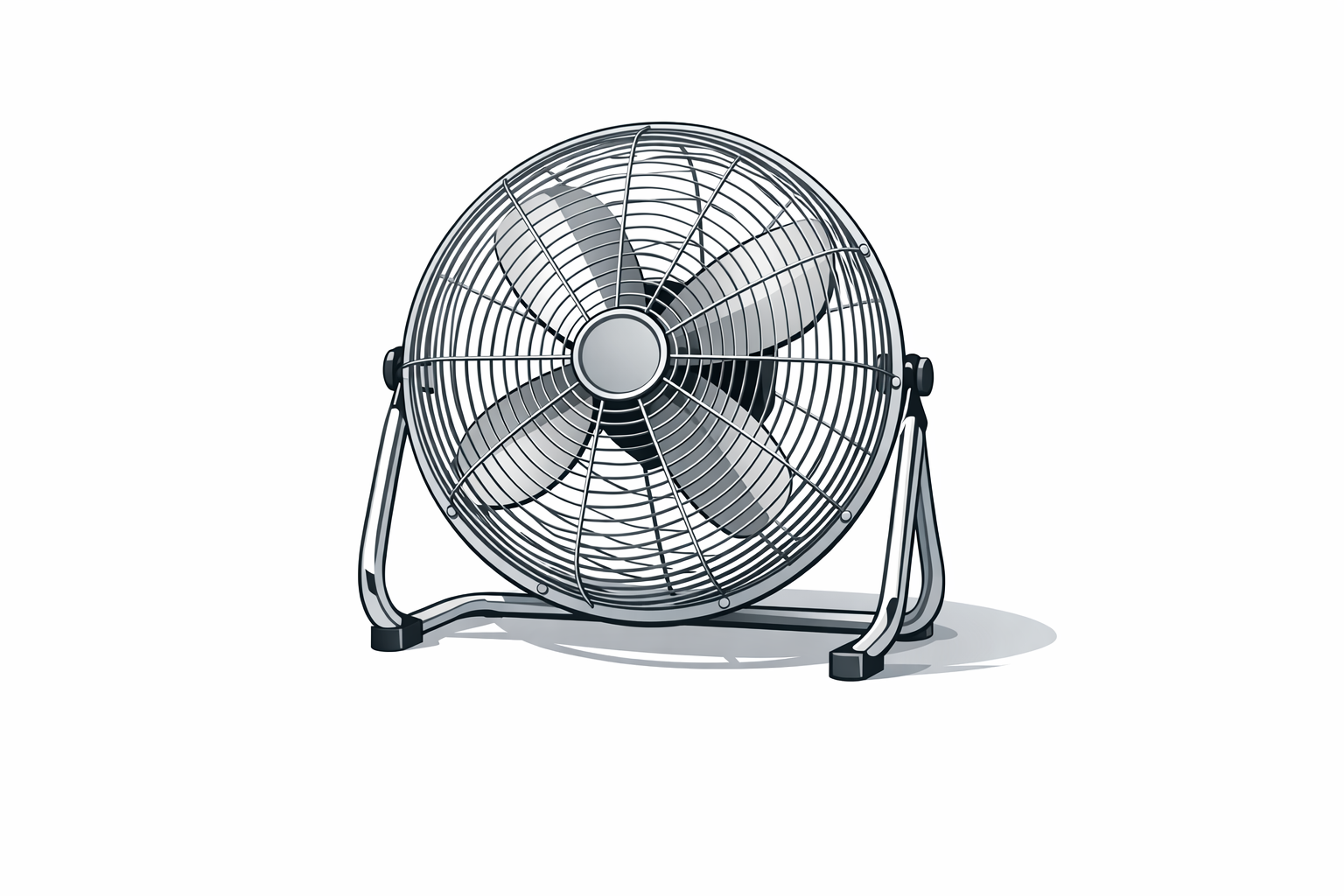
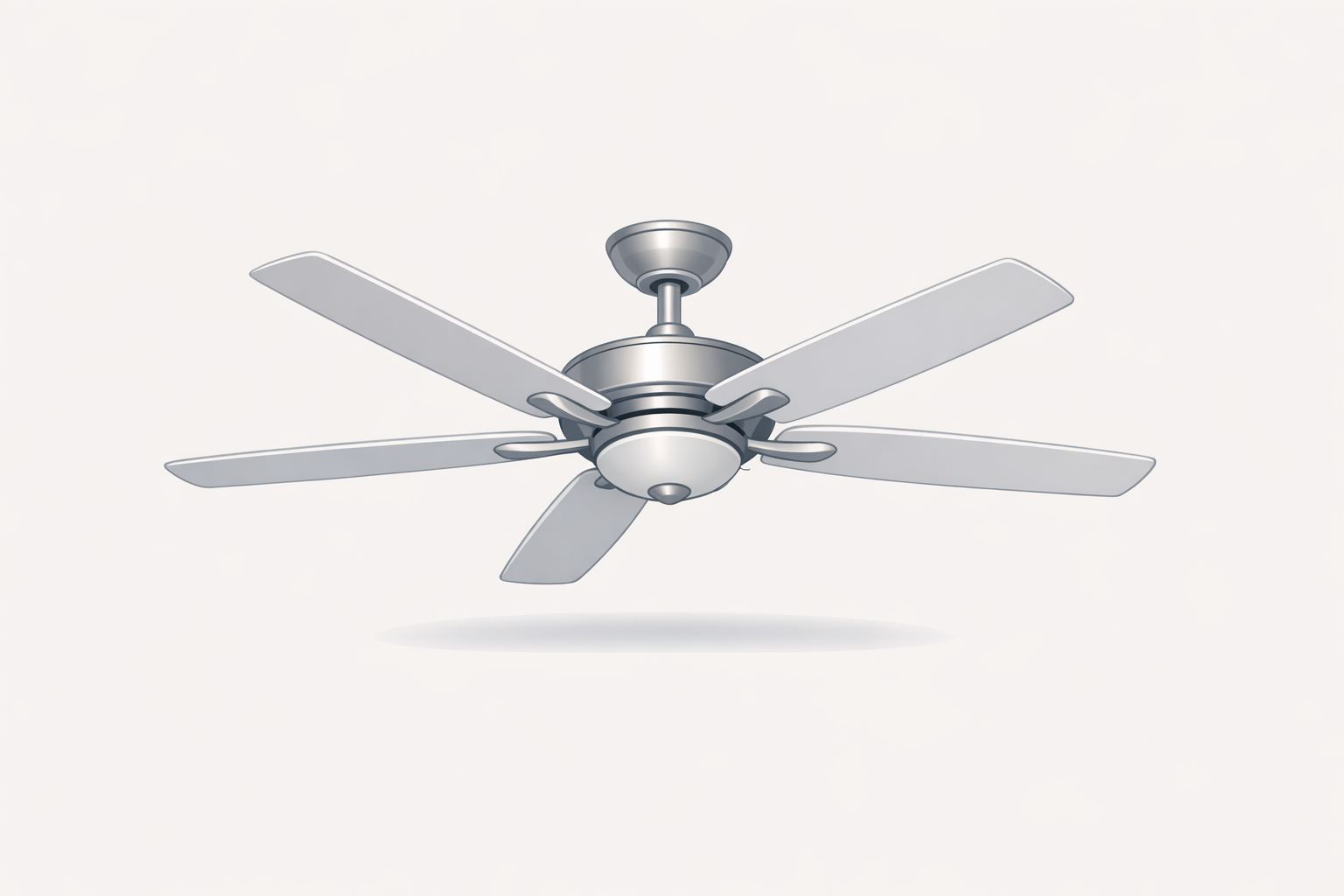

Choice: Say which fan you prefer right away, for example the large floor fan if you think it is easier to move and install.
Criterion 1: Compare cooling power and practicality. A floor fan may cool a room strongly without needing permanent installation.
Criterion 2: Compare cost, setup, or flexibility. A ceiling fan may look cleaner, but installation can be harder, while a mini fan may be too weak for a whole room.
Concession: Admit one small benefit of another option, such as the ceiling fan saving floor space or the mini fan being portable.
Closing: Finish by saying why your preferred fan is still the best overall choice for the apartment.
#Timing plan for Task 5
Task 5 has two parts, so the timing matters a lot:
- Part 1: choose the option and gather two or three criteria
- Part 2 prep: organize the comparison
- Part 2 speaking: persuade with control, not speed
The key is deciding early so the speaking part feels planned.
#Final checklist before you finish
- Did I state my preferred option clearly?
- Did I compare at least two useful criteria?
- Did I explain why my option wins on those points?
- Did I sound persuasive without sounding hostile?
- Did I leave time for a final recommendation?
#Frequently asked questions
What should I do in Part 1?
Do I need numbers from the prompt?
Should I mention any good point about the other option?
What is the biggest mistake in Task 5?
#Final takeaway
For Task 5, persuasion becomes easier when comparison becomes simpler.
If you remember one thing, remember this:
choose early, compare two strong criteria, close cleanly.